Pelvic Floor Physical Therapy for Men in San Diego: The Missing Link for Groin Strains & Athletic Performance
Pelvic floor physical therapy for men addresses muscle coordination, strength, and pressure management in the pelvis to help resolve groin pain, core dysfunction, and performance limitations.
When people hear the term pelvic floor physical therapy, many assume it only applies to women. The reality is that men also have pelvic floor muscles, and dysfunction in this region is a commonly overlooked contributor to groin strains and persistent hip or core pain in male athletes.
In this article, we’ll focus specifically on pelvic floor dysfunction in men, how it relates to groin strains, and why pelvic floor physical therapy is a critical part of recovery for athletes in San Diego—especially those who play baseball, hockey, soccer, and other rotational or sprint-based sports.
At Athletic Edge Physical Therapy, we specialize in pelvic floor physical therapy for men, helping athletes return to sport stronger, more resilient, and pain-free.
Do Men Have a Pelvic Floor?
Yes — men absolutely have a pelvic floor.
male pelvic floor
The male pelvic floor is a group of muscles that sit at the base of the pelvis and work together to:
Support the bladder and bowel
Assist with core stability
Coordinate breathing and intra-abdominal pressure
Control continence and sexual function
Transfer force between the hips, trunk, and legs during sport
When these muscles are overactive, underactive, weak, or poorly coordinated, athletes may experience symptoms that don’t immediately seem “pelvic” — including groin pain.
How Groin Strains Happen in Male Athletes
Groin strains most commonly occur during forceful, sudden movements, such as:
Sprinting
Kicking
Jumping
Rapid change of direction
Explosive rotational movements
These actions place high demand on the adductor muscle group (inner thigh muscles), especially when the hip is moving into extreme ranges of motion under load.
This is why groin strains are frequently seen in:
Baseball players (especially catchers)
Hockey players
Soccer players
Lacrosse players
Field and court sport athletes
Why Catchers Are Especially at Risk
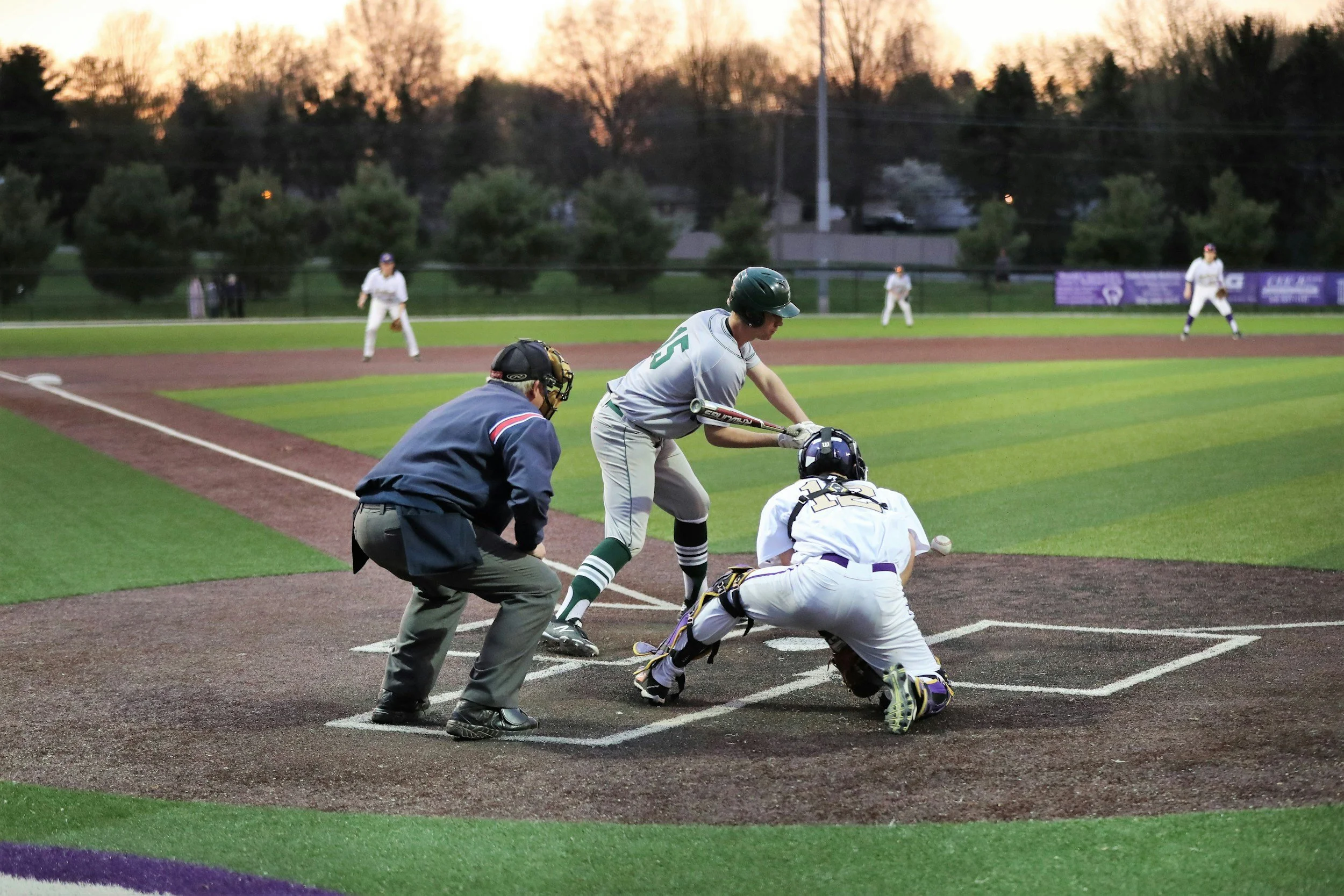
Catchers spend prolonged time in deep squat positions, then must explosively drive off their legs to throw, block, or sprint. This repetitive loading places significant stress on the pelvis, adductors, and pelvic floor — especially when mobility or strength deficits exist.
The Adductors, Pelvis, and Pelvic Floor: How They’re Connected
The adductor muscle group includes:
Adductor longus
Adductor magnus
Gracilis
These muscles attach directly to the pelvis and run down the inner thigh, crossing the hip and knee. Because of this attachment, adductor strain injuries are rarely isolated — they often involve the pelvic region and pelvic floor muscles.
In addition, deep hip muscles such as the:
Piriformis
Obturator internus
play a crucial role in pelvic stability and have direct anatomical and functional connections to the pelvic floor. Dysfunction in these muscles can contribute to:
Groin pain
Pelvic floor tension
Referred symptoms to the rectal or perineal area
Signs of Pelvic Floor Dysfunction in Men With Groin Strains
Male athletes with groin injuries may experience symptoms that feel unusual or hard to describe, including:
A sensation of fullness or pressure near the rectum
Feeling like you need to have a bowel movement when you don’t
Discomfort after adductor-heavy exercises such as:
Copenhagen planks
Lateral lunges
Sprinting
Symptoms after sex or intense core training
Pain or pressure with prolonged sitting or standing
Groin or pelvic discomfort that doesn’t fully resolve with traditional rehab
These symptoms are commonly seen in men who sit or stand at a computer for long periods, especially when combined with high training loads.
Why Traditional Groin Rehab Sometimes Fails
Many athletes complete rehab focused only on:
Stretching the groin
Strengthening the adductors
Rest and activity modification
While these are important, they don’t address pelvic floor coordination, pressure management, or deep pelvic stability, which are often the missing pieces.
Without addressing pelvic floor involvement:
Symptoms may linger
Pain may return when training intensity increases
Athletes may feel “tight” or unstable despite strength gains
How Pelvic Floor Physical Therapy Helps Men Recover From Groin Strains
Pelvic floor physical therapy for men focuses on restoring proper muscle coordination, mobility, and strength throughout the pelvis, hips, and core.
At Athletic Edge Physical Therapy in San Diego, pelvic floor PT can help:
Reduce pelvic and groin pain
Normalize pelvic floor tone (decrease overactivity or improve activation)
Improve hip and trunk mechanics
Restore confidence with sport-specific movements
Reduce reinjury risk
What to Expect at Your Initial Pelvic Floor PT Appointment
1. In-Depth Subjective Examination
Your pelvic floor physical therapist will take a detailed history, asking questions about:
Your sport and training volume
Symptom onset and triggers
Bowel, bladder, and sexual health (as relevant)
Work posture and daily habits
The goal is to identify the root cause of your symptoms — not just where you feel pain.
2. Comprehensive Objective Examination
Your exam may include:
Orthopedic assessment of the hips, spine, and core
Strength and mobility testing
Postural assessment
Palpation of involved muscles
Pelvic floor–specific assessment (external and/or internal when appropriate and with consent)
This allows your PT to identify movement breakdowns contributing to your groin and pelvic symptoms.
3. Functional & Sport-Specific Assessment
You may be asked to perform sport-related movements such as:
Squatting
Lunging
Rotational drills
Sprint mechanics or change-of-direction tasks
These help identify how symptoms show up during real athletic demands.
Pelvic Floor Physical Therapy for Men in San Diego
If you’re a male athlete in San Diego dealing with persistent groin pain, core discomfort, or unexplained pelvic symptoms, pelvic floor physical therapy may be the missing piece in your recovery.
At Athletic Edge Physical Therapy, we work with:
Baseball and softball players
Soccer and hockey athletes
Runners and CrossFit athletes
Active adults with groin or pelvic pain
Our approach combines sports physical therapy and pelvic floor expertise to help you return to training and competition safely.
👉 Ready to address the root cause of your groin pain?
Schedule your pelvic floor physical therapy evaluation today and start moving forward with confidence.