Improve Your Sleep: Simple Habits That Actually Help
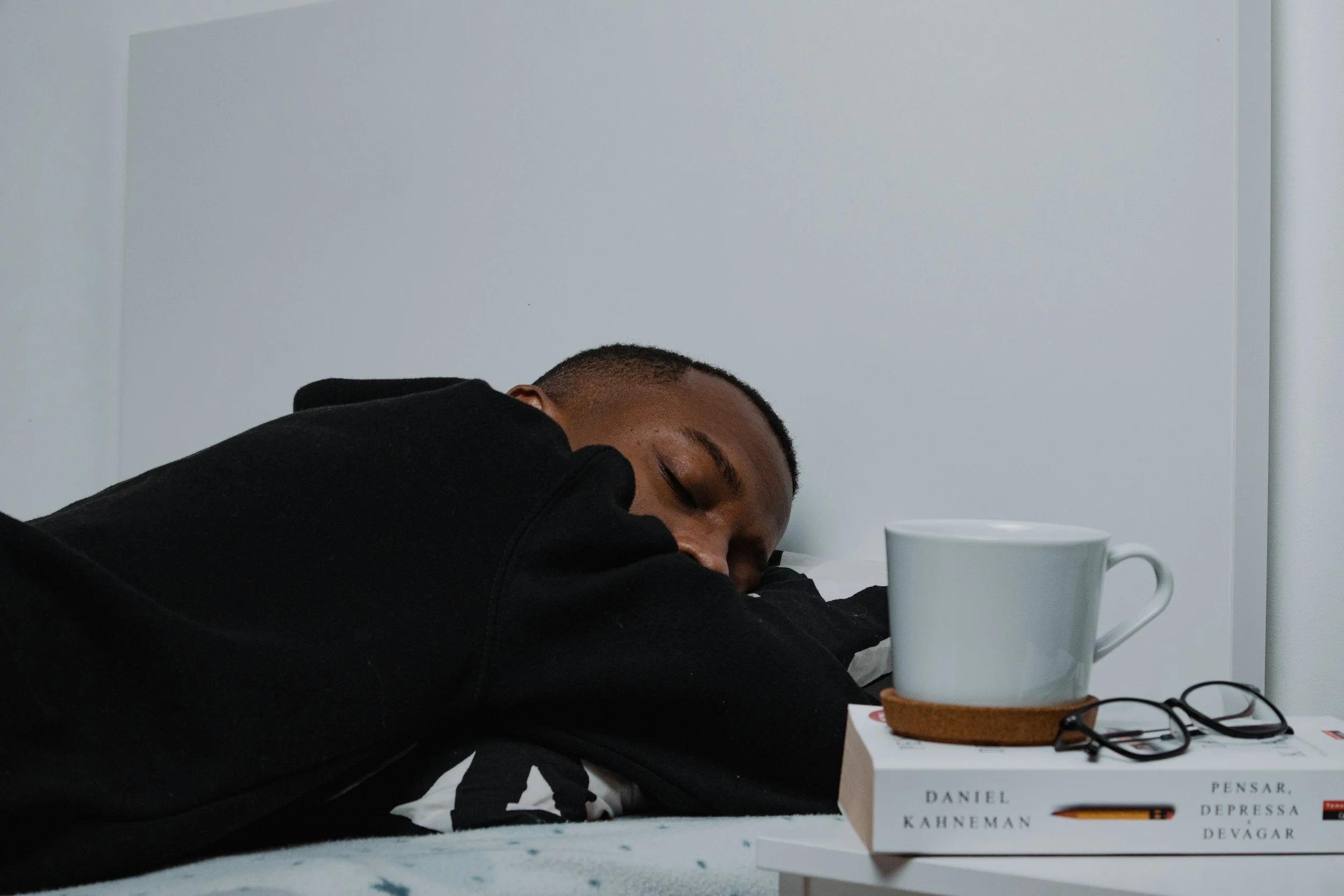
If your sleep’s a mess, everything feels harder—training, work, even basic patience. And here’s a twist: it’s not just that pain ruins sleep; poor sleep can worsen pain and make it linger. So let’s clean up the stuff that happens before your head hits the pillow. Nothing fancy. Just clear habits you can stick with.
What is “sleep hygiene,” really?
It’s your pre-bed routine and the little choices that nudge your brain toward “lights out.” The goal isn’t perfection—it’s consistency.
Start here: 10 habits that matter
Same time, every day
Pick a regular bedtime and wake-up time—even on weekends. Your body loves a predictable rhythm.
Keep the bed sacred
Use your bed for sleep and sex only. Skip eating, arguing, scrolling, and TV in bed. Can’t fall asleep after ~20 minutes? Get up, do something quiet in dim light (stretch, read), then try again.Create a wind-down you can repeat
Meditation, a warm shower, gentle yoga, or a few pages of a book. Choose one and do it nightly so your brain learns, “Oh, we’re powering down.”Time your training
Heavy or high-intensity workouts within 3–4 hours of bedtime can rev the engine. Earlier sessions generally sleep better. Easy mobility or a short walk is fine late.Watch the stimulants
Caffeine, nicotine, some pre-workouts—and yes, chocolate—can hang around for hours. Try cutting them after midday if evenings are rough. Alcohol may feel relaxing, but it fragments sleep.Be cautious with sleep meds
Over-the-counter or unprescribed sleep aids can mask bigger issues and create dependencies. If you’re using them, talk with your clinician about safer, longer-term strategies.Keep naps strategic
If you need a nap, cap it at 20–30 minutes and avoid late afternoon. Otherwise, save that sleep pressure for nighttime.Dim the screens
Blue-light from phones, tablets, and TVs tells your brain it’s daytime. Shut screens down 30–60 minutes before bed. If you must use them, enable night mode or wear blue-light-filtering glasses—and keep brightness low.Mind your evening fuel
Large or spicy meals close to bedtime can trigger reflux and wake-ups. Aim to finish dinner 2–3 hours before bed. If you’re hungry, have a light snack (yogurt, banana, small protein serving). Ease up on fluids late to avoid 2 a.m. bathroom trips.Make the room sleep-friendly
Cool, dark, quiet. Blackout curtains or a sleep mask for light; a fan or white-noise for sound. If your mattress or pillow leaves you achy, it’s not “toughing it out”—it’s a cue to upgrade.
Pain + sleep: a quick note
Poor sleep can heighten pain sensitivity and slow recovery. The flip side is encouraging: improve sleep, and pain often eases. If you’ve tried these steps for a few weeks and you’re still struggling—trouble falling asleep, staying asleep, loud snoring, gasping, or nonstop daytime fatigue—check in with your primary care provider. Conditions like sleep apnea are common and treatable.
A gentle evening routine (5–10 minutes)
• Two minutes: easy breathing (inhale 4, exhale 6)
• Three minutes: light mobility (neck, back, hips)
• Two minutes: warm shower or face wash
• Three minutes: read a few pages—paper beats phone
What about athletes and active adults?
Training hard while short on sleep is like lifting on a wobbly platform. Quality sleep supports tissue repair, hormone balance, reaction time, and mood—everything you want in the gym or on the field. If late workouts are your only option, plan a longer cool-down, hydrate, and push caffeine earlier in the day.
When to get help

If insomnia hangs around for more than a few weeks, or you’re dependent on sleeping pills, it’s time to talk with your clinician. Cognitive Behavioral Therapy for Insomnia (CBT-I) has strong evidence. Your doctor can also screen for medical issues that disrupt sleep.
How we can help in San Diego
Sometimes pain, stiffness, or training stress keeps your system “keyed up.” We can adjust your program, address the nagging stuff, and pair it with a simple sleep plan so you recover better.
Contact: /contact • Call: (858)371-2575