Protein Requirements for Masters Athletes: Clear Targets by Sport
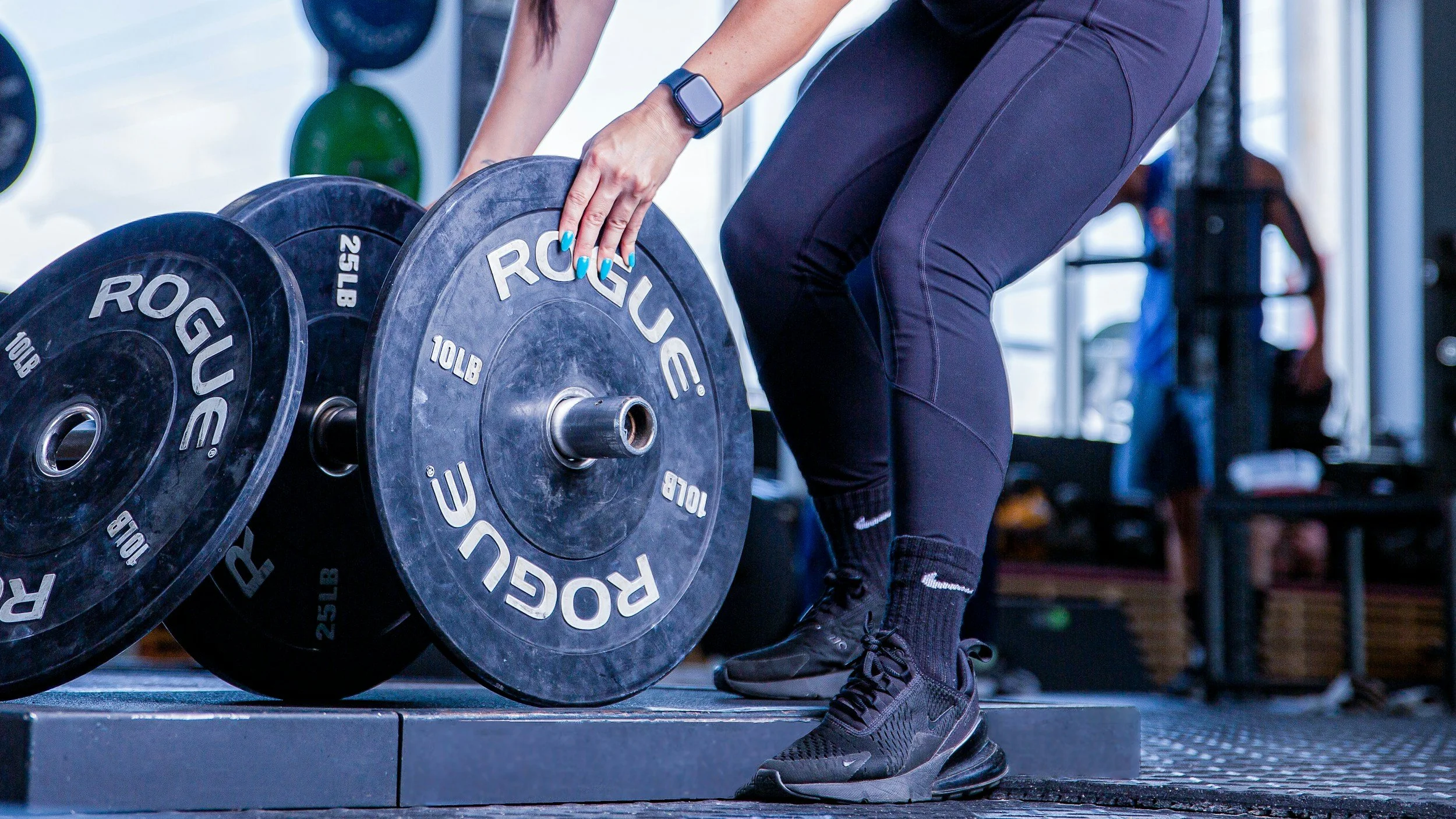
If you’re a masters athlete (35+) juggling real life and real training, protein can feel confusing. Do you need more? Less? A shake every time you blink? Here’s the simple answer: your total needs look a lot like younger trained athletes when your training stays solid. What changes is how you spread it through the day and the quality of what you eat. Let’s make this easy—and usable.
What is a “masters athlete”?
A masters athlete is anyone 35 or older who still competes or trains with intent—track, road running, CrossFit, powerlifting, triathlon, tennis, you name it. Staying active helps maintain muscle and keeps your body responsive to protein. Age matters, sure, but training and smart meals matter more.

Do masters athletes need more total protein?
Not by default. If you train regularly and push your body, your daily protein target is similar to younger athletes.
The key points are:
Hit a solid dose at each meal.
Choose quality sources that include leucine (an amino acid that helps kickstart muscle repair).
Space meals across the day.
Endurance targets (triathlon, running, cycling)
Post-exercise:
• 0.5 g/kg in the meal after training.
• Use quick, leucine-rich protein if possible (milk, whey, soy, eggs, Greek yogurt). Whole-food works too.
Daily:
• ~1.8 g/kg/day total.
• Split into 4–5 meals at ~0.3–0.4 g/kg per meal.
• If you train with low carbs sometimes, bump daily protein about 10–15%.
• Mostly plant-based? Add ~10% to cover lower leucine in some foods.
• If it sits well, have your last protein meal 1–2 hours before sleep.
Strength/CrossFit/powerlifting targets
Post-exercise:
• 0.3–0.4 g/kg in the meal after lifting or WODs.
• Again, leucine-rich helps. Think dairy, lean meat, soy, or a whey/soy shake.
Daily:
• ~1.6 g/kg/day total.
• Split into 4–5 meals at ~0.3–0.4 g/kg per meal.
• Plant-forward? Consider a ~10% bump or mix proteins (e.g., beans + grains, soy + dairy).
Quick conversions (so you don’t need a calculator)
Body weight — Daily endurance (~1.8 g/kg) — Daily strength (~1.6 g/kg) — Per meal target (0.3–0.4 g/kg)
60 kg (132 lb) — 108 g/day — 96 g/day — 18–24 g
75 kg (165 lb) — 135 g/day — 120 g/day — 22–30 g
90 kg (198 lb) — 162 g/day — 144 g/day — 27–36 g
What does that look like on a plate?
Sample day for a 75 kg masters athlete (strength focus ~1.6 g/kg ≈ 120 g/day)
• Breakfast (≈30 g): Greek yogurt with oats, berries, and honey.
• Lunch (≈35 g): Chicken, rice, veg, olive oil, and a sprinkle of cheese.
• Snack (≈20 g): Cottage cheese with pineapple, or tofu + edamame salad.
• Dinner (≈35 g): Salmon, potatoes, mixed greens.
• Pre-sleep (≈20 g, optional): Milk or soy shake, or skyr with fruit.
Prefer plants? Totally fine.
Rotate soy foods (tofu, tempeh, soy milk), lentils, beans, seitan, and high-protein grains. Pair plant proteins to cover amino acids (rice + beans, hummus + whole-grain pita). Consider a soy or pea blend shake around hard sessions if that’s easier than cooking.
A few common questions
Do I need a shake after every session?
Not always. A shake is just a handy way to hit your post-exercise target when you’re short on time. Whole food works whenever you can get it.
Is more always better?
No. Hitting your range and spacing it across the day matters more than chasing huge totals.
What if I’m cutting weight?
Keep protein at the high end of your range, keep meals evenly spaced, and watch total calories. Recovery still matters when you’re leaning out.
What about “anabolic resistance”?
As we age, muscles may respond a little less to small doses of protein. Training hard and using solid per-meal doses (that 0.3–0.4 g/kg number) helps overcome that. Leucine-rich foods help too.
Simple shopping list ideas
• Dairy: Greek yogurt, cottage cheese, milk, skyr.
• Meats/Fish: chicken, turkey, lean beef, salmon, tuna.
• Plant proteins: tofu, tempeh, edamame, lentils, chickpeas, black beans.
• Extras: eggs, whey or soy protein, peanut butter plus whole-grain bread, quinoa.
Safety and individual needs
Protein ranges work best when they match your training, sleep, and overall calories. If you have kidney disease or other medical conditions, talk with your healthcare provider or a registered dietitian before making big changes.
Sources
• Moore DR (2021). Protein requirements for masters athletes: Just older versions of their younger selves. Sports Medicine. doi:10.1007/s40279-021-01510-0
• Additional consensus statements and sport nutrition texts support similar per-meal targets and daily ranges for trained adults.
How we can help in San Diego
If you’re balancing hard training with work and family, simple nutrition wins keep you moving. We can match your protein plan to your training week and your sport, then build your strength and resilience in the gym, on the field, or at your box.
Disclaimer
This article is educational and not individualized medical or nutrition advice. Your needs may vary. If you’re unsure, check in with your clinician or an RD.