Bike Fit and Low Back Pain: Why Your Bike Setup May Be Causing Your Back Pain

Low back pain is one of the most common complaints we see from cyclists at Athletic Edge Physical Therapy in San Diego. Whether you're training for a triathlon, logging weekend miles on the coast, or commuting around the city, your bike should help you move efficiently—not leave you with a sore back after every ride.
The good news: in many cases, low back pain while cycling is not a “back problem.” It’s a bike setup problem.
A professional bike fitting can identify the root cause and help you ride stronger, longer, and pain-free.
Let’s break down why bike fit matters and what might be contributing to your low back pain.
Why Cyclists Often Develop Low Back Pain
Cycling places your body in a sustained forward-leaning position for long periods of time. When your bike isn’t properly adjusted for your body, this position can create excessive stress on the spine.
Over time, this can lead to:
Tight hip flexors
Fatigued core muscles
Pelvic instability
Increased stress on the lumbar spine
Even small misalignments in your bike setup can amplify these stresses with every pedal stroke.
If you ride thousands of pedal strokes per ride, a small problem becomes a big one quickly.
Common Bike Fit Issues That Cause Low Back Pain
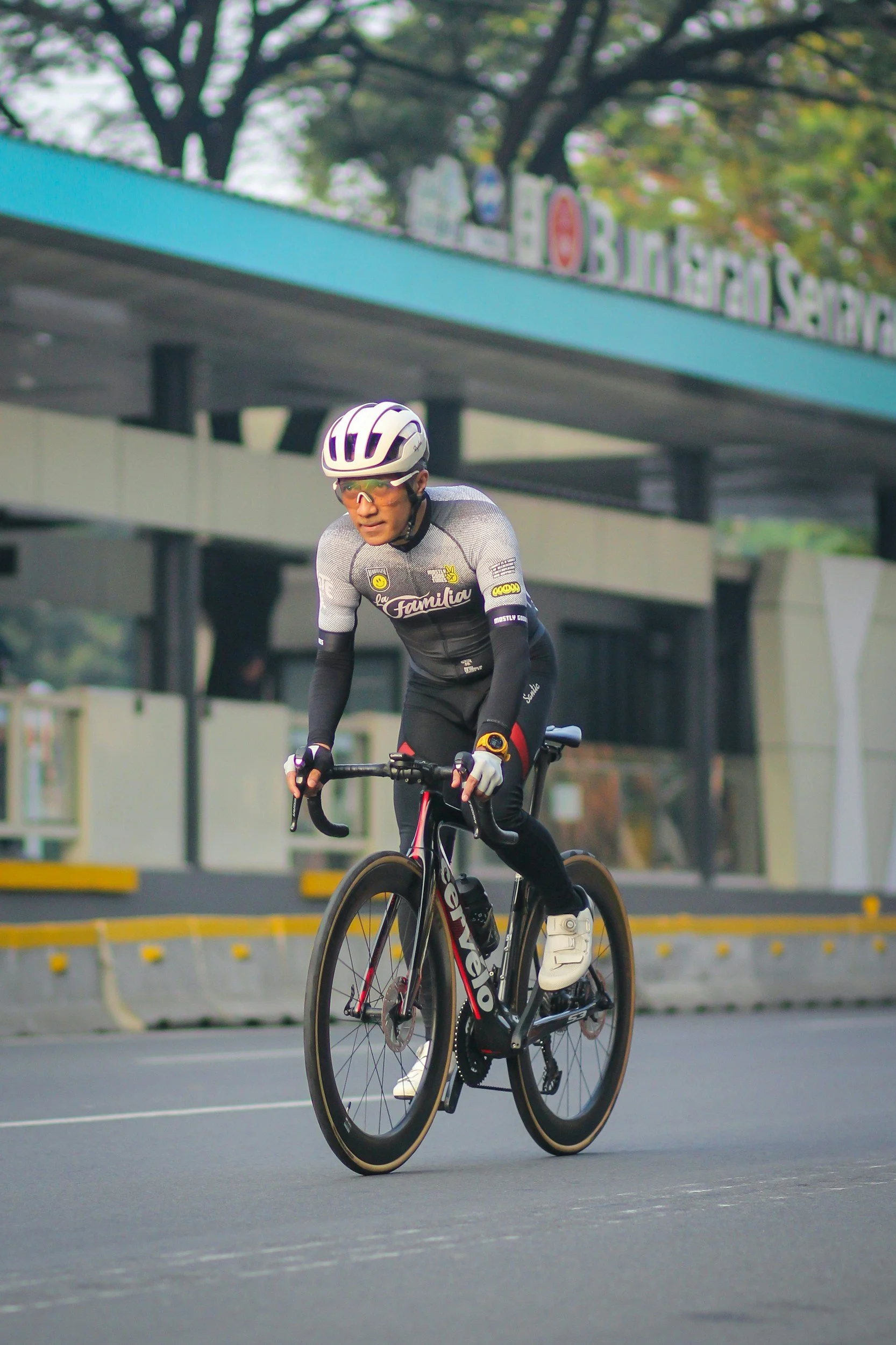
1. Saddle Height That Is Too High
A saddle that is too high forces riders to overreach at the bottom of the pedal stroke.
This can cause:
Pelvic rocking on the saddle
Increased shear forces through the lumbar spine
Tightness in the hamstrings and low back
Over time, the repetitive motion of rocking can lead to persistent low back irritation.
A properly set saddle height allows you to maintain smooth, controlled pedaling without shifting your hips side to side.
2. Saddle Tilt Problems
Saddle tilt plays a surprisingly large role in spinal positioning.
If the nose of the saddle tilts upward, it can push your pelvis into a posterior tilt, rounding your low back and increasing strain on spinal tissues.
If the saddle tilts too far downward, you may slide forward, forcing your arms and back to work harder to stabilize your position.
The right saddle angle allows you to sit comfortably on your sit bones while maintaining a stable pelvis and neutral spine.
3. Handlebar Position and Reach
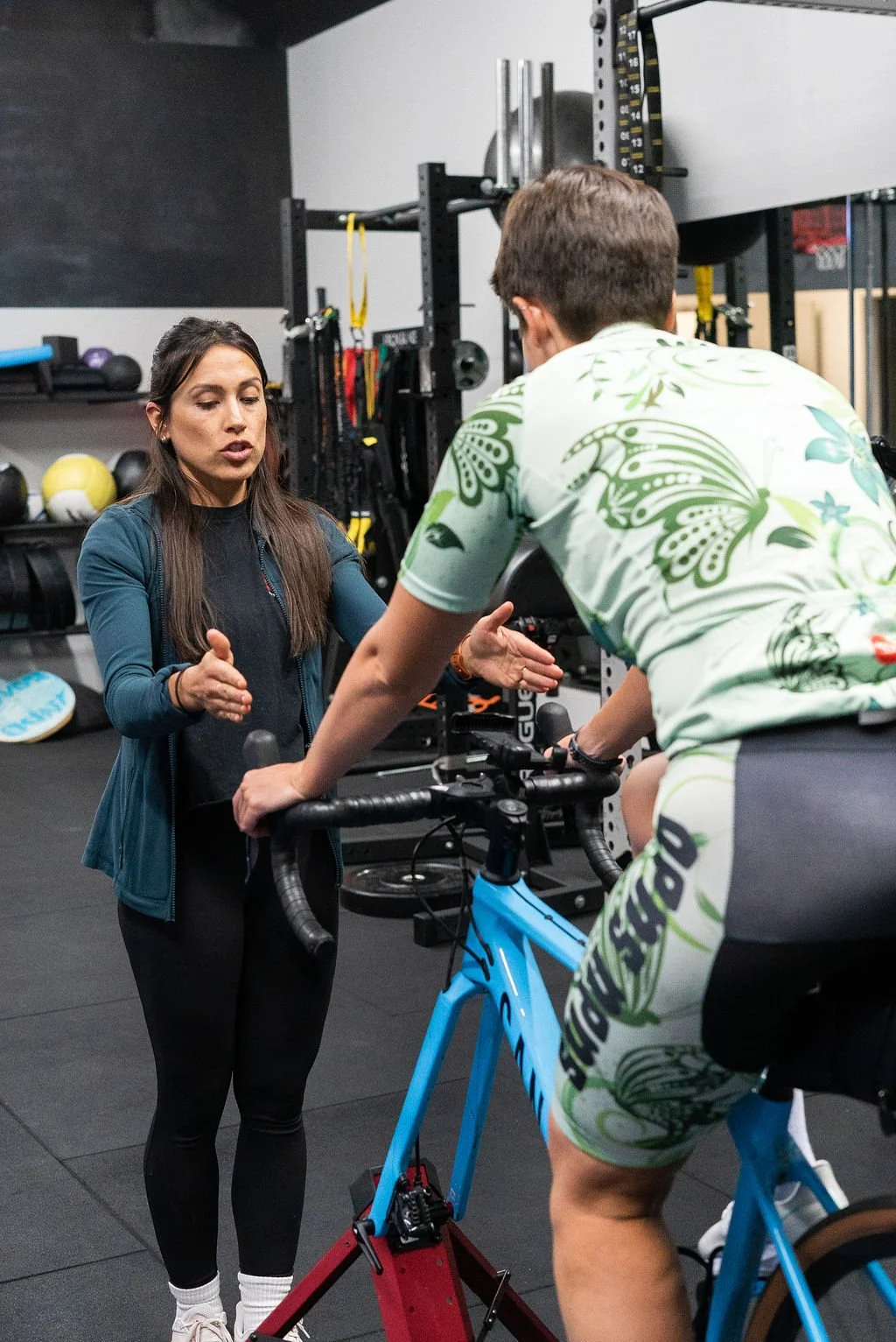
Your handlebar reach and height determine how much you must bend through your spine.
Common problems include:
Bars too low
Excessive spinal flexion
Increased strain on lumbar muscles
Stem too short
Rounding of the low back
Poor pelvic positioning
Reach too long
Overstretching through the spine
Difficulty stabilizing your torso
Your cockpit setup should allow you to maintain a stable torso without excessive tension in your back or shoulders.
4. Core Strength and Endurance
Even with a perfectly adjusted bike, your body still needs the strength to support your riding posture.
Cycling requires your core muscles to stabilize the pelvis and spine with every pedal stroke.
If these muscles fatigue quickly, you may compensate by:
Rounding your back
Rocking your hips
Hanging on your ligaments instead of your muscles
At Athletic Edge PT, we often combine bike fitting with targeted strength work to improve endurance in the muscles that support long rides.
Signs Your Bike Fit May Be Causing Low Back Pain
You may benefit from a professional bike fit if you experience:
Low back pain during or after rides
Pelvic rocking while pedaling
Numbness or discomfort in the saddle
Back fatigue on longer rides
Tight hamstrings after cycling
These symptoms are often the result of mechanical inefficiencies rather than injury.
How a Physical Therapist–Led Bike Fit Is Different
Many bike shops offer basic fittings, but a physical therapist–led bike fit looks at more than just the bike.
At Athletic Edge Physical Therapy, we evaluate:
Hip mobility
Core strength and endurance
Pelvic control
Spinal mobility
Pedaling mechanics
Previous injuries
Then we adjust the bike to match your body, rather than forcing your body to adapt to the bike.
This approach helps us solve both pain and performance limitations.
The Performance Benefits of a Proper Bike Fit
A good bike fit doesn’t just reduce pain—it can also improve performance.
Cyclists often notice:
More efficient power transfer
Improved endurance
Reduced fatigue during long rides
Better aerodynamics
Fewer overuse injuries
In other words, the right setup helps you ride stronger while protecting your body.
When to Consider a Bike Fit
You should consider a professional bike fitting if you:
Recently bought a new bike
Are increasing training volume
Are preparing for a race or triathlon
Have persistent back, hip, or knee pain while cycling
Want to improve efficiency and power output
Many cyclists assume pain is just part of the sport. In reality, it’s often a solvable problem.
Get a Professional Bike Fit in San Diego
If cycling is causing low back pain, the issue may not be your back—it may be your setup.
At Athletic Edge Physical Therapy, our PT-led bike fitting sessions combine movement assessment with precise bike adjustments to help you ride pain-free and perform at your best.
Whether you’re a triathlete, endurance cyclist, or weekend rider, we’ll help you optimize your position on the bike.
Schedule your PT-led bike fit today and start riding stronger.
📍 Athletic Edge Physical Therapy
San Diego, CA