What Is Blood Flow Restriction Training — And Why Are Elite Athletes Using It?
If you've spent any time around elite athletes, sports medicine clinics, or high-performance gyms lately, you may have noticed something unusual: athletes walking around with what look like blood pressure cuffs wrapped around their arms or legs while doing surprisingly light exercises. No, it's not a strange new trend — it's Blood Flow Restriction (BFR) training, and it's quietly becoming one of the most powerful tools in sports physical therapy.
At our San Diego sports performance PT clinic, BFR training is one of the most exciting techniques we offer athletes who want to recover faster, build strength more efficiently, and get back to the sport they love without unnecessary setbacks.
So, What Exactly Is Blood Flow Restriction Training?
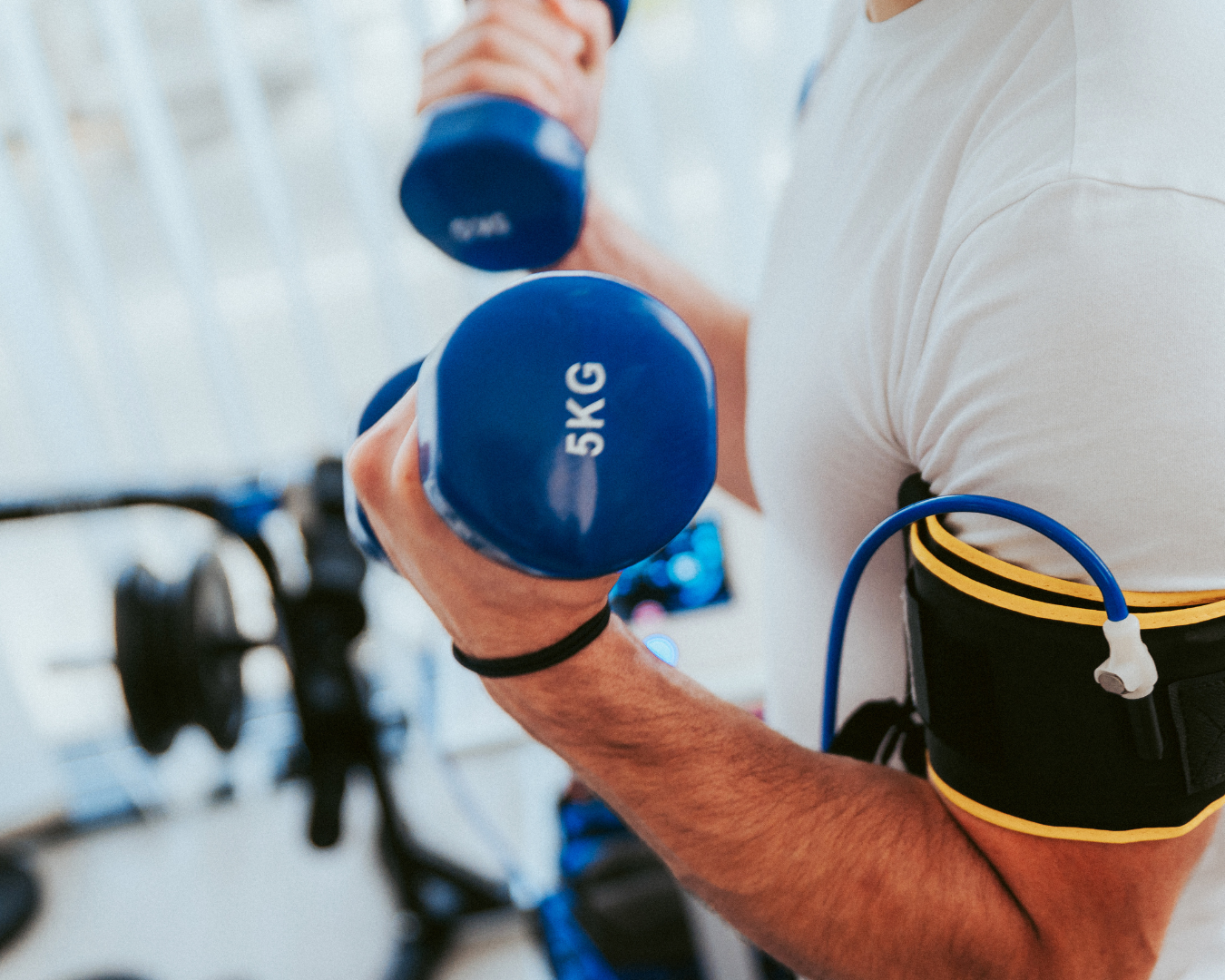
Blood Flow Restriction training involves wrapping a specialized pneumatic cuff — similar to a blood pressure cuff — around the upper arm or upper thigh during low-intensity exercise. The cuff partially restricts venous blood flow (blood leaving the muscle) while allowing arterial blood flow (blood entering the muscle) to continue.
The result? Your muscles are working in a low-oxygen environment while metabolic byproducts like lactate build up quickly. This tricks the body into thinking it's working at a much higher intensity than it actually is — triggering the same hormonal and cellular responses you'd expect from heavy, high-intensity training.
In simpler terms: you get the strength and muscle-building benefits of hard training, with only a fraction of the physical load on your joints and injured tissues.
Why Does This Matter for Injured Athletes?
Traditional strength training requires lifting at roughly 70–85% of your maximum capacity to stimulate meaningful muscle growth and strength gains. For a healthy athlete, that's a reasonable ask. But for someone recovering from an ACL tear, a shoulder surgery, a stress fracture, or a hamstring strain — loading a healing tissue at that intensity isn't safe or realistic.
This is exactly where BFR shines. Research consistently shows that BFR training at just 20–30% of max load can produce strength and hypertrophy results comparable to high-load training. For athletes in rehab, that means:
You can maintain and even build muscle while recovering from surgery or injury
You reduce the risk of re-injury by minimizing stress on healing tissues
You return to sport faster and stronger than with conventional rehab alone
You avoid the muscle atrophy that so commonly derails long recoveries
What Does the Research Say?
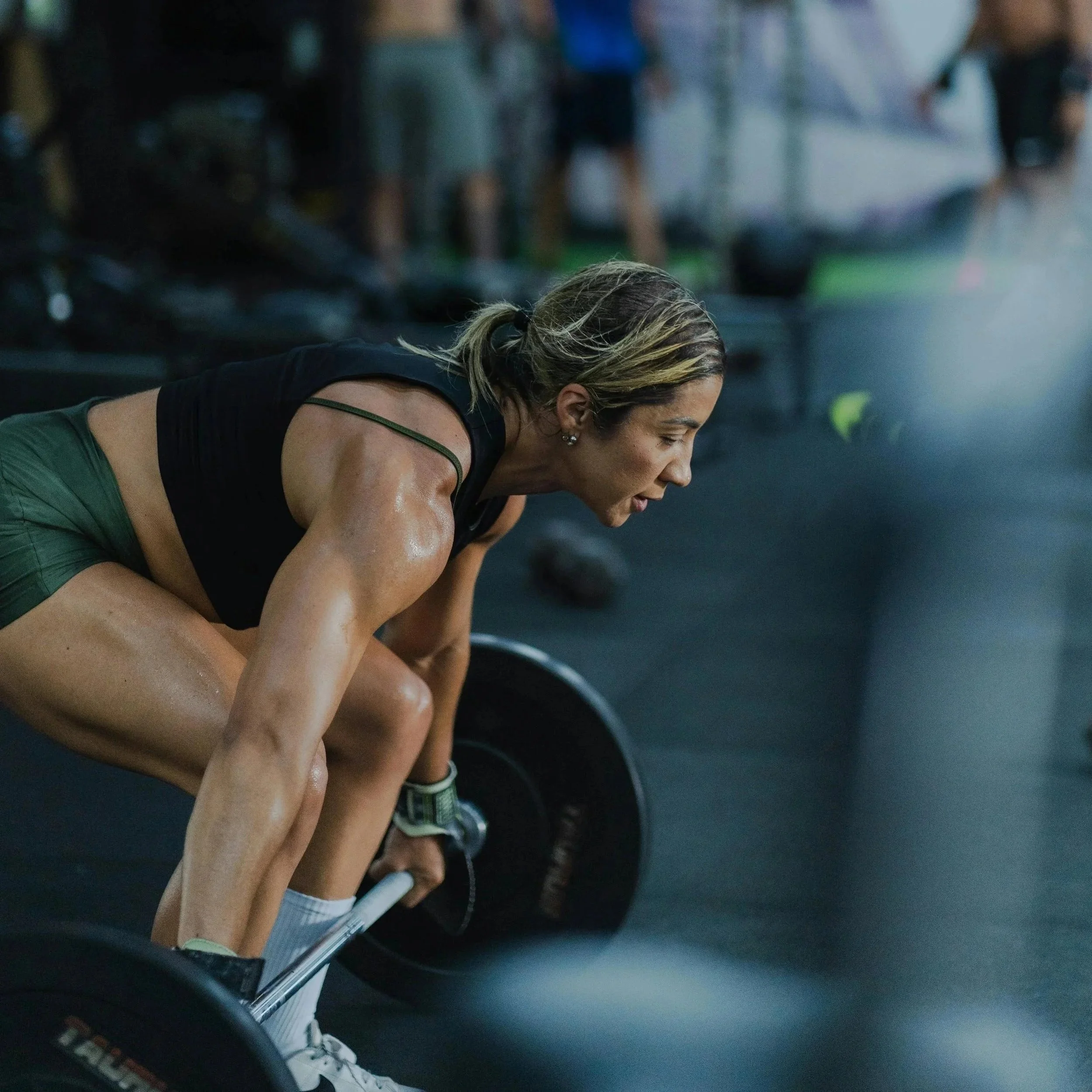
BFR isn't just gym buzz — it's backed by an impressive and growing body of peer-reviewed research. Studies published in sports medicine and rehabilitation journals have demonstrated that BFR training produces significant increases in muscle size, strength, and endurance even when performed at low loads. It has been used successfully with post-surgical patients, older adults managing joint pain, and elite military personnel recovering from injuries.
Professional sports teams across the NFL, NBA, and Olympic programs have integrated BFR into their athlete recovery protocols. When you see a pro athlete return from injury ahead of schedule, BFR is often part of the story.
What Conditions Can BFR Training Help With?
At our San Diego clinic, we use BFR as part of a comprehensive treatment plan for a wide range of athletes and conditions:
ACL reconstruction and other knee surgeries
Rotator cuff repair and shoulder rehabilitation
Hamstring and quad strains
Stress fractures requiring activity modification
Post-surgical muscle atrophy in any limb
Athletes needing to maintain conditioning during an injury layoff
Older athletes looking to preserve muscle mass and strength
Is BFR Training Safe?
When administered by a trained physical therapist using calibrated clinical equipment, BFR is extremely safe. At our San Diego sports PT clinic, we use personalized limb occlusion pressure (LOP) testing to determine exactly the right cuff pressure for each individual patient — nothing is guesswork.
You may feel an intense burn during the exercise (that's the metabolic response doing its job), and some patients experience mild muscle soreness afterward — the same kind you'd feel after any productive workout. Serious adverse events are exceedingly rare when BFR is performed under proper clinical supervision.
That said, BFR is not appropriate for everyone. Your physical therapist will screen for any contraindications — such as blood clotting disorders, certain cardiovascular conditions, or compromised skin integrity — before incorporating it into your program.
What Does a BFR Session Actually Look Like?
A BFR session at our clinic is integrated seamlessly into your overall physical therapy program. Here's a general overview of what to expect:
Your therapist wraps the cuff around the upper portion of the target limb
Cuff pressure is set based on your individual limb occlusion pressure — not a one-size-fits-all number
You perform sets of low-load exercises (body weight squats, leg extensions, bicep curls, etc.) with short rest periods
The cuff is released between sets and fully removed after the session
Total BFR exercise time is typically 15–20 minutes within a larger treatment session
Many patients are surprised by how challenging the exercises feel despite the light weight — that's the metabolic stress at work. Most also report noticeable improvements in strength and muscle tone within just a few weeks.
BFR as Part of a Bigger Performance Picture
One of the things we love about BFR at our San Diego sports performance PT clinic is that it doesn't replace good rehabilitation — it amplifies it. We combine BFR with manual therapy, sport-specific movement training, dry needling, and progressive loading to create a complete, evidence-based recovery experience tailored to your sport, your position, and your goals.
Whether you're a competitive triathlete, a high school soccer player, a weekend warrior, or a recreational gym-goer, BFR can be a game-changer in how quickly and completely you recover from injury and get back to performing at your best.
Ready to experience the power of Blood Flow Restriction training? Book a free discovery call with our San Diego sports performance PT team today and find out if BFR is right for your recovery.