Sleep is the most powerful performance drug you're not taking seriously
While athletes obsess over training splits, nutrition protocols, and supplementation, the most impactful recovery tool is the one most routinely sacrificed — sleep.

You track your macros. You periodize your training. You foam roll. But ask most athletes how much sleep they got last night, and you'll hear a number that would make a sleep scientist wince. Seven hours if you're lucky. Five if life got in the way. The irony is that no supplement stack, no training optimization, and no recovery protocol comes close to delivering what a consistent night of quality sleep can provide.
The science is unambiguous: sleep is not a passive state of rest. It is an active, highly regulated biological process during which the body rebuilds tissue, consolidates motor learning, regulates hormones, and resets the nervous system for the next bout of effort.
What happens to your body while you sleep
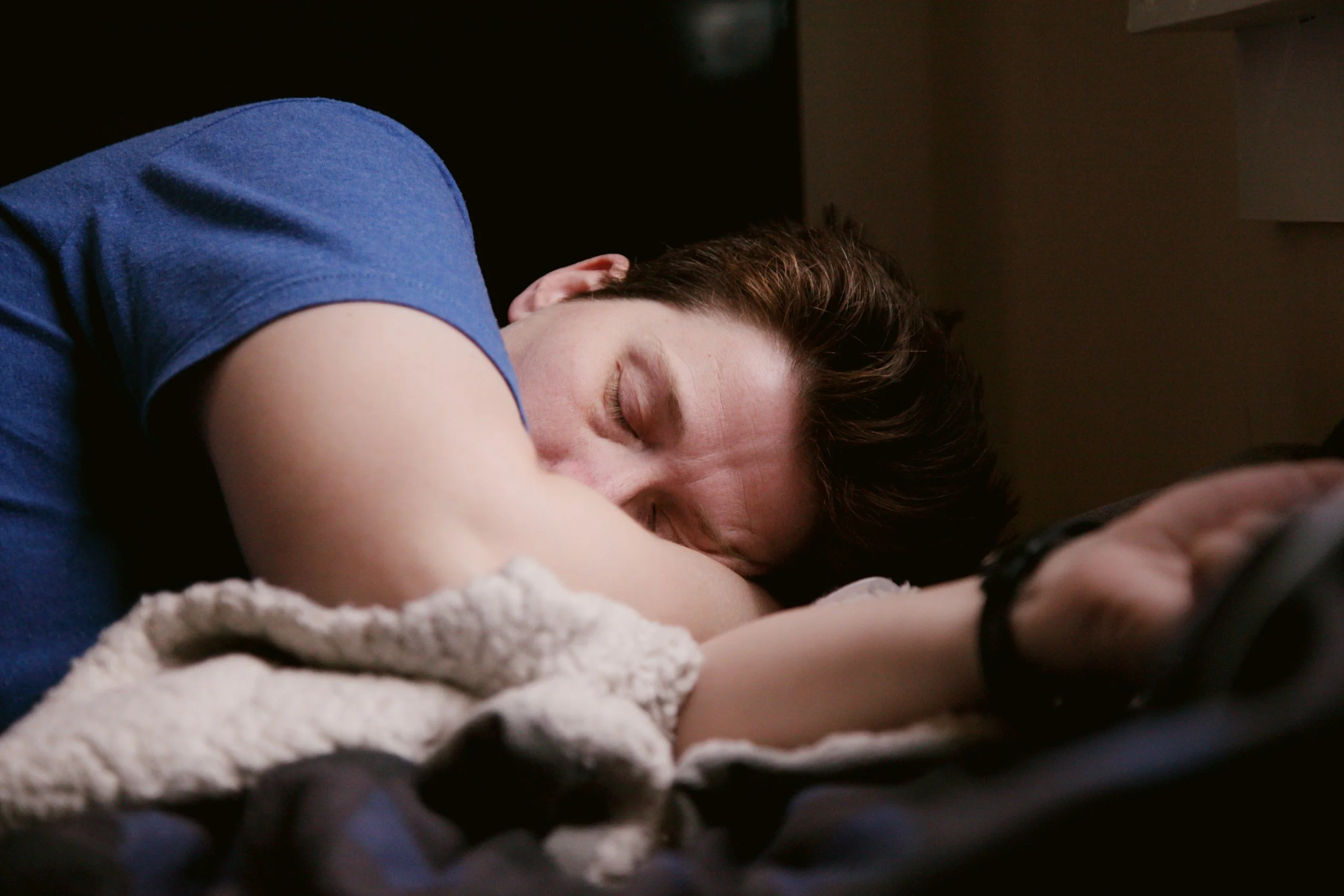
Sleep is organized into cycles lasting roughly 90 minutes, each containing a sequence of stages with distinct physiological functions. Understanding these stages helps explain why both duration and quality matter for athletic performance.
Deep slow-wave sleep (SWS), which dominates the first half of the night, is where the bulk of physical restoration happens. Growth hormone — the primary driver of muscle protein synthesis and tissue repair — is secreted almost exclusively during SWS. Cut the first half of your night short, and you've dramatically reduced your body's capacity to repair training-induced damage.
REM sleep, concentrated in the later hours of the night, governs neural recovery and motor learning consolidation. When you practice a new movement pattern — a snatch, a change-of-direction cut, a jump shot — the encoding of that skill into long-term procedural memory happens during REM. This is why athletes who cut sleep short to get to early morning practice may, paradoxically, be slowing their technical development.
The hormonal cost of poor sleep
Beyond growth hormone, sleep deprivation triggers a hormonal cascade that works directly against athletic adaptation. Cortisol — the body's primary stress hormone — rises sharply with insufficient sleep. Chronically elevated cortisol suppresses testosterone, promotes muscle catabolism, and impairs glycogen resynthesis. In practical terms, this means the training stimulus you worked hard to create is being partially dismantled overnight.
Research published in the Journal of the American Medical Association found that restricting healthy young men to five hours of sleep per night for one week reduced testosterone levels by 10 to 15 percent. That's a hormonal environment that no legal supplement can overcome.
"Insufficient sleep is perhaps the most underappreciated factor in the athlete's performance equation — and the most actionable one."
Cognitive performance and reaction time
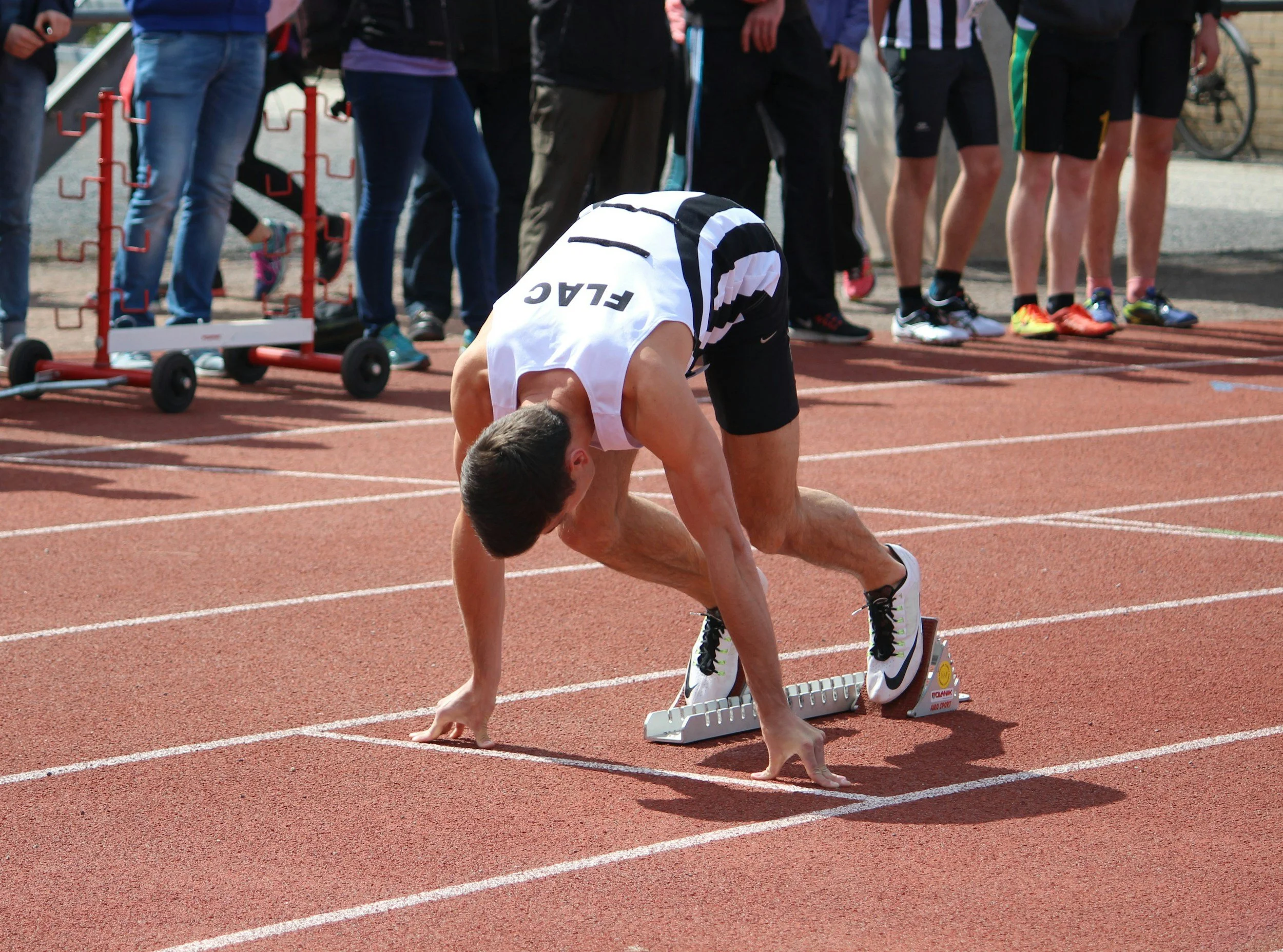
Sport is as much a cognitive endeavor as a physical one. Reaction time, decision-making speed, spatial awareness, and risk assessment all degrade meaningfully under sleep restriction. Studies using the Psychomotor Vigilance Task — a standard measure of reaction time and sustained attention — show that after two weeks of sleeping six hours per night, subjects performed as poorly as those who had been awake for 48 hours straight. Critically, those subjects reported feeling only "slightly sleepy," suggesting that athletes chronically under-sleeping may not accurately perceive their own impairment.
In contact sports, this matters enormously for injury risk. A study of adolescent athletes found that those averaging fewer than eight hours per night were 1.7 times more likely to sustain an injury than their well-rested peers.
Sleep and injury recovery
Recovery spotlight
For injured athletes, sleep isn't just beneficial — it's arguably the single most important variable in the rehabilitation timeline. During deep slow-wave sleep, the body ramps up production of growth hormone and anti-inflammatory cytokines, both of which are central to tissue remodeling and healing. Sleep deprivation, on the other hand, elevates systemic inflammation and suppresses immune function, effectively applying the brakes on the repair process. Research in wound healing has shown that even partial sleep restriction can significantly extend recovery timelines. Beyond the cellular level, adequate sleep also supports the psychological demands of injury — reducing anxiety, improving pain tolerance, and maintaining the cognitive sharpness needed to stay mentally engaged with the rehabilitation process. If you're sidelined, treating your sleep with the same discipline you'd apply to your physio sessions may be the fastest path back to full fitness.
Practical strategies for athletes
The research points clearly in one direction. Here's how to translate the science into consistent sleep hygiene:
Anchor your sleep window — go to bed and wake up at the same time every day, including rest days. Consistent circadian timing improves both sleep quality and depth.
Protect the final 90 minutes before bed from screens and bright overhead lighting. Blue-wavelength light suppresses melatonin and delays sleep onset by up to 1–2 hours.
Keep your room cool (around 65–68°F / 18–20°C). Core body temperature must drop to initiate and maintain deep sleep — a warm environment actively disrupts this process.
Avoid alcohol within 3–4 hours of sleep. Alcohol may accelerate sleep onset but fragments REM sleep significantly, reducing its restorative value.
Consider strategic napping. A 20-minute nap between 1–3pm can offset some of the cognitive performance decrements from a short previous night without impairing evening sleep quality.
Treat high-training-load weeks like the physiological stressor they are — prioritize 8–9 hours during competition preparation phases and deload weeks.
The bottom line
There is no performance intervention with a better return on investment than sleep. It is free, it is available every night, and its effects are measurable within days of consistent improvement. Athletes who extend sleep — even modestly, from six hours to eight — report faster sprint times, improved accuracy, reduced perceived exertion, and better mood. Not over months, but within weeks.
The hardest part isn't the science. It's convincing the athlete wired to equate rest with weakness that doing less — deliberately, strategically, every night — is itself a form of training.
Work with us
Find out what better sleep could do for your performance
Book a free discovery call or performance evaluation with our team. We'll review your training load, recovery habits, and sleep patterns — and build a plan tailored to you.