5 Signs You Should See a Sports PT Before You’re Actually Injured
Most athletes visit a physical therapist for one reason: they’re hurt. A sprained ankle, a torn labrum, a stress fracture that wouldn’t heal on its own. Sports physical therapy has earned its reputation as a powerful recovery tool — but limiting it to reactive care is like only calling a mechanic when your car breaks down on the freeway.
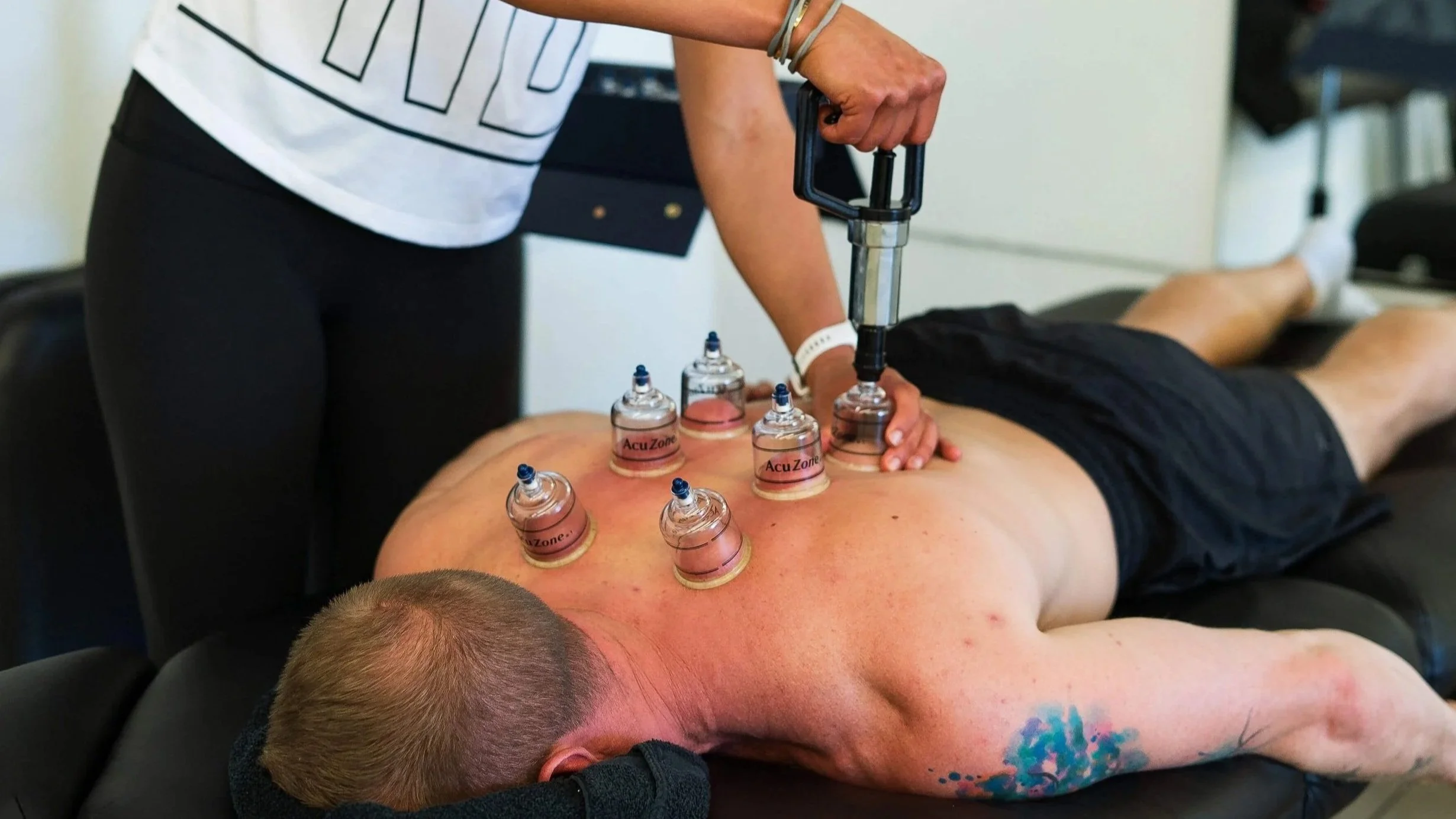
The most elite and durable athletes don’t just use sports PT to recover. They use it proactively — to identify vulnerabilities before they become problems, optimize movement quality, and stay at peak performance for the long haul.
Here are five warning signs your body is sending you right now that suggest it’s time to see a sports physical therapist — even if you’re not technically injured yet.
1. You Have a Nagging Pain That “Isn’t Bad Enough” to Stop Training
You know the feeling. A twinge in your hip flexor after long runs. A shoulder that aches every time you push overhead. A knee that stiffens after basketball but loosens up after warm-up. It’s not stopping you — so you ignore it.
This is one of the most common patterns seen in San Diego sports PT clinics, and it almost always ends one of two ways: the athlete identifies the underlying cause and addresses it, or they train through it until the “twinge” becomes a tear.
“Persistent low-grade discomfort is your body’s way of telling you something is being overloaded, poorly controlled, or under-recovered.”
A sports physical therapist can determine whether that discomfort reflects a true tissue problem, a movement dysfunction, a training load issue, or a combination of all three — and intervene before it escalates into a genuine injury.
What to watch for:
Pain that appears consistently after a specific activity
Discomfort that is gradually worsening over weeks, not improving
A sensation that you are “protecting” or guarding one area during movement
2. Your Movement Feels “Off” or Asymmetrical
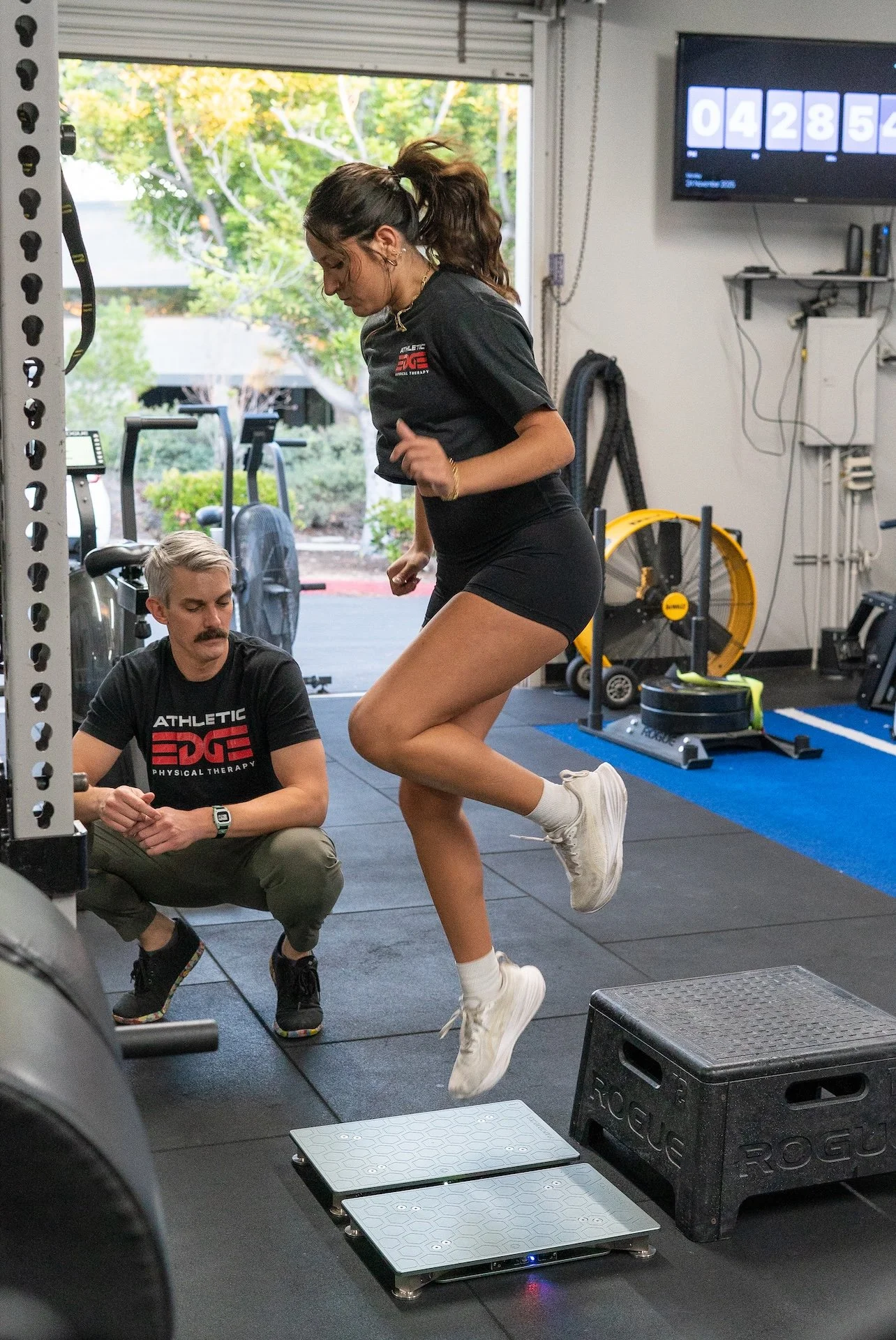
You don’t have to be in pain to have a movement problem. Many athletes notice that one side of their body moves differently than the other — a hip that doesn’t open up in a squat, a shoulder that rotates less freely, a stride that feels slightly uneven. Sometimes coaches catch it on film before the athlete feels it at all.
Movement asymmetry isn’t just aesthetic. It’s a load distribution issue. When one side compensates for a deficit elsewhere, those compensating structures absorb forces they were never designed to handle — and injury risk rises accordingly.
Research supports this: a study published in the American Journal of Sports Medicine found that athletes with significant movement asymmetries on functional screening tests had a significantly elevated risk of time-loss injury during their competitive season. (Kiesel et al., 2007)
A sports PT assessment can identify and correct these asymmetries with targeted mobility work, strengthening, and movement re-education — before they become injury statistics. At Athletic Edge PT, we use VALD Force Plate Performance Testing to objectively measure movement asymmetries, power output, and limb-to-limb imbalances — giving you precise, data-driven insight into exactly where your body is compensating and why.
3. You’ve Had a Previous Injury That “Healed” But Never Fully Resolved
Sprains, strains, and minor injuries are part of athletic life. But “healed” doesn’t always mean “resolved.” Many athletes who have had ankle sprains continue to have subtle deficits in proprioception and stability that increase re-injury risk — sometimes years later. The same holds true for shoulder impingements, hamstring strains, and knee injuries.
If you managed a previous injury through rest and time rather than formal rehabilitation, there’s a meaningful chance that residual dysfunction remains. Unresolved deficits quietly increase your risk every time you train.
A sports PT can screen for these lingering deficits and break the cycle of re-injury that many athletes unknowingly fall into.
Common signs a previous injury isn’t fully resolved:
You still “baby” the area or avoid certain movements subconsciously
The area feels weaker or less stable than the opposite side
You’ve re-injured the same area more than once
4. You’re Starting a New Training Phase or Building Toward a Big Event
Pre-season. A new marathon training block. A return to competition after an off-season. A step up in competition level. These are all periods of significantly increased physical demand — and they’re exactly when unaddressed weaknesses tend to surface in the most inconvenient ways.

One of the best investments an athlete can make before ramping up training load is a sports PT movement screen and performance assessment. Think of it as a pre-season physical for your musculoskeletal system.
Your therapist can identify the two or three areas most likely to limit you or get you injured during your upcoming block, then build a targeted prehab routine to address them proactively. Many San Diego athletes come to Athletic Edge in this exact window — not because they’re hurt, but because they want to arrive at their event healthy, strong, and performing at their ceiling.
Ideal times to schedule a proactive movement screen:
4–6 weeks before a race, competition season, or major event
When increasing weekly training volume by more than 10%
Returning to sport after an extended off-season or break
5. Your Performance Has Plateaued Despite Consistent Training
Here’s a less obvious but powerful sign: you’ve been training hard and consistently, but your performance isn’t improving the way it should. Your running economy feels flat. Your overhead press is stuck. Your court speed hasn’t budged.
This kind of plateau is sometimes a fitness issue — but it’s often a movement issue. Inefficient mechanics, compensatory patterns, and unresolved mobility restrictions are silent performance drains. They bleed power, speed, and endurance without ever producing a clear injury signal.
A sports physical therapist who specializes in performance — not just rehabilitation — can analyze how you move during sport-specific tasks, identify where energy is being wasted or force is being poorly transmitted, and help you move with greater efficiency and power.
The result isn’t just injury prevention. It’s better athletic performance.
References
1. Kiesel K, Plisky PJ, Voight ML. (2007). Can Serious Injury in Professional Football be Predicted by a Preseason Functional Movement Screen? North American Journal of Sports Physical Therapy, 2(3), 147–158.
2. Dallinga JM, Benjaminse A, Lemmink KA. (2012). Which Screening Tools Can Predict Injury to the Lower Extremities in Team Sports? Sports Medicine, 42(9), 791–815. doi.org/10.1007/BF03262295
When to See a Sports PT: Quick-Reference Guide
See a PT proactively if: you have a nagging pain, notice asymmetry, have an old injury, are ramping up training, or performance has stalled.
See a PT urgently if: you have acute swelling or bruising, sharp pain that alters your gait, numbness or tingling, or pain that worsens rapidly over days.
Frequently Asked Questions
-
Prehab (short for prehabilitation) is proactive physical therapy focused on identifying and correcting movement deficits, strength imbalances, and mobility restrictions before they result in injury. Unlike traditional PT, which is reactive, prehab is preventive — helping athletes stay healthy and perform better by getting ahead of problems.
-
A sports PT movement screen evaluates how you move through functional patterns specific to your sport or activity — things like single-leg squats, hip hinging, overhead reach, and rotational mechanics. It goes beyond standard range-of-motion tests to identify compensations, asymmetries, and load-tolerance issues that standard medical exams don’t assess.
-
For most active athletes, a movement screen once or twice per year — ideally before a major training phase — is a solid foundation. Athletes with a history of recurring injuries or those competing at a high level may benefit from more frequent check-ins, particularly around high-volume training periods.
-
Yes — and this is one of the most underappreciated aspects of sports PT. By correcting movement inefficiencies, improving joint mobility, and building sport-specific strength, a sports PT can help you generate more force, move more efficiently, and recover faster. Many athletes report performance gains alongside the injury-prevention benefits.
The Bottom Line: Don’t Wait for the Injury
The healthcare system is built around treating problems after they occur. Sports physical therapy doesn’t have to work that way. The most effective use of a sports PT is proactive — getting ahead of the vulnerabilities your body is already developing before they sideline you at the worst possible moment.
At Athletic Edge Physical Therapy, we love working with San Diego athletes who come to us healthy and want to stay that way. Whether you’re a competitive athlete, a dedicated recreational exerciser, or someone who simply wants to keep doing the activities you love for decades to come, proactive care is one of the highest-value investments you can make in your athletic future.
Don’t wait for an injury to take action. Book a performance and movement screening with our San Diego sports PT team today — and get ahead of what your body is already trying to tell you.