Best Running Trails in San Diego (And How to Stay Injury-Free on Every One)
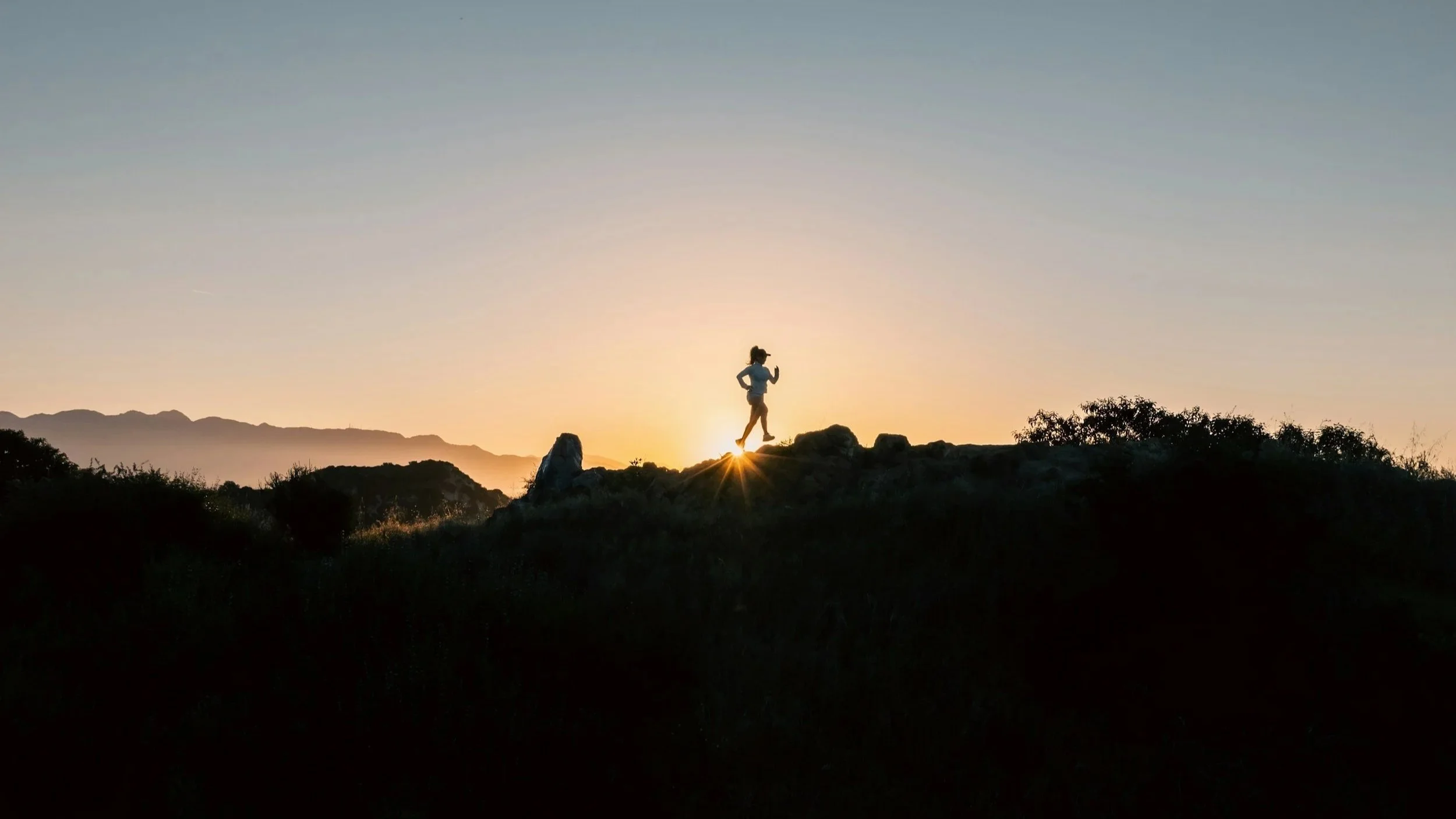
San Diego is one of the best cities in the country to be a runner. Near-perfect weather, diverse terrain, and a fiercely active community make it easy to lace up year-round. But the same variety that makes San Diego's trails so appealing — ocean bluffs, canyon dirt paths, technical rocky climbs — also creates unique injury risks that flat-road runners never encounter.
At Athletic Edge PT, we treat runners every week who pushed too hard on a descent, rolled an ankle on loose canyon gravel, or built-up mileage too fast for their first trail race. Most of those injuries were preventable.
This guide covers the best running trails in San Diego by terrain type and skill level, along with the injury-prevention strategies we use in our clinic. Whether you run the Sorrento Hills on your lunch break or are training for a local trail race, there's something here for you.
San Diego's Best Running Trails — By Terrain Type
Coastal Runs: Scenic, Flat, and Beginner-Friendly
Torrey Pines State Natural Reserve:
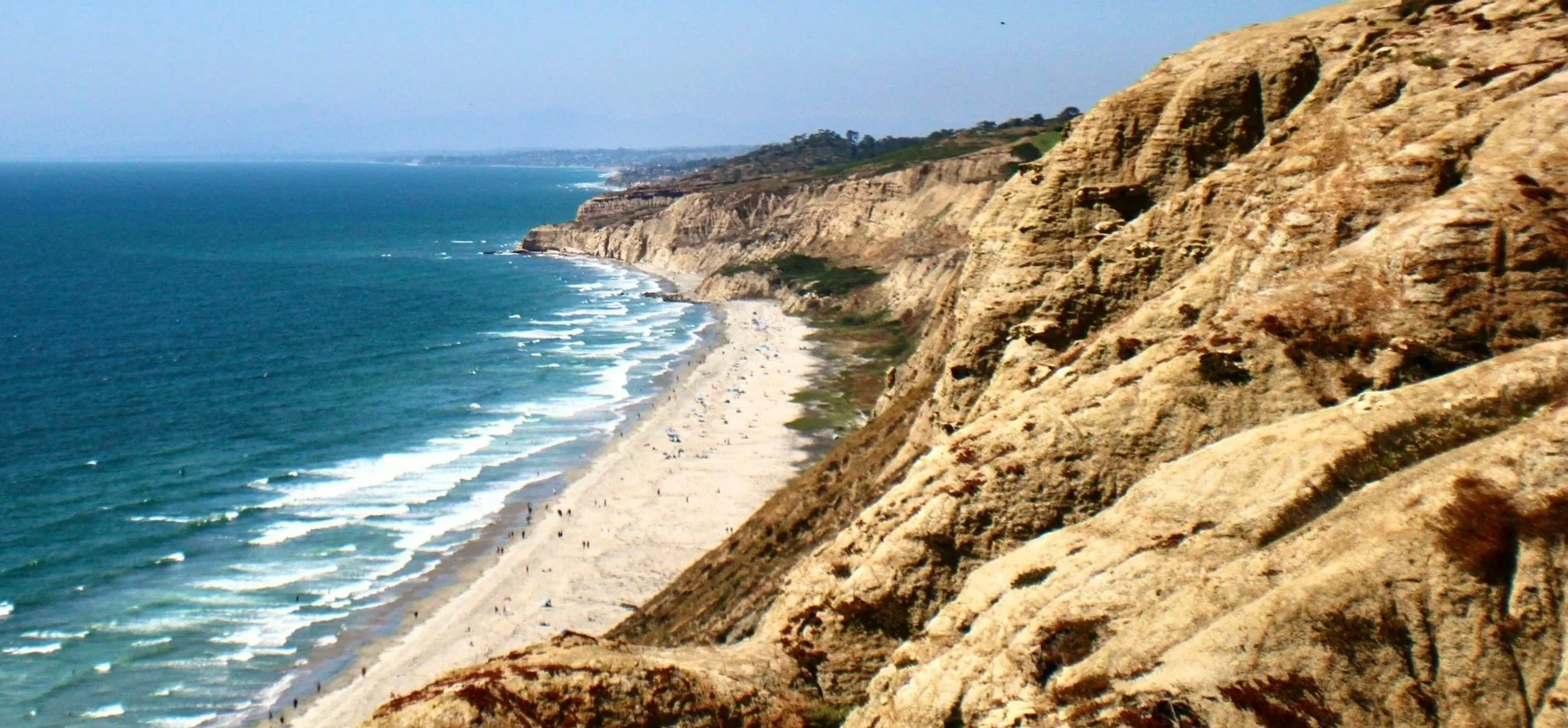
Difficulty: Easy to Moderate | Distance: 1–6 miles depending on route | Elevation: Up to 360 ft
Torrey Pines sits about five miles north of La Jolla and is one of the most spectacular running destinations in all of Southern California. The reserve's eight miles of trail wind through 2,000 acres of coastal sage scrubland perched on dramatic bluffs above the Pacific. On clear days you can spot dolphins from the overlooks — not a bad training motivation.
The terrain shifts between sandy packed dirt, loose gravel, and rocky sections near the cliffs, making it better suited for trail shoes than road flats. The climb up from the beach is deceptively steep, and the downhill return is where many runners pick up ankle and knee injuries.
PT Tip: On any downhill, shorten your stride and lean slightly forward into the hill. Overstriding on a descent dramatically increases the braking force through your knee — one of the leading causes of patellofemoral pain in trail runners.
Mission Bay Path:
Difficulty: Easy | Distance: Up to 27 miles around the full bay | Elevation: Minimal
Mission Bay's paved loop is the go-to for San Diego runners who want mileage without the trail technicality. The path wraps around the largest man-made aquatic park in the country and is particularly popular at sunrise and sunset when the light on the water is exceptional.
The flat, forgiving surface makes it ideal for recovery runs, long aerobic base-building, or returning from injury. Its only real risk is boredom — and the occasional collision with a rollerblader.
Canyon Trails: The Locals' Favorite
Los Peñasquitos Canyon Preserve:
Difficulty: Easy to Moderate | Distance: 6.9 miles (main trail) | Elevation Gain: ~157 ft
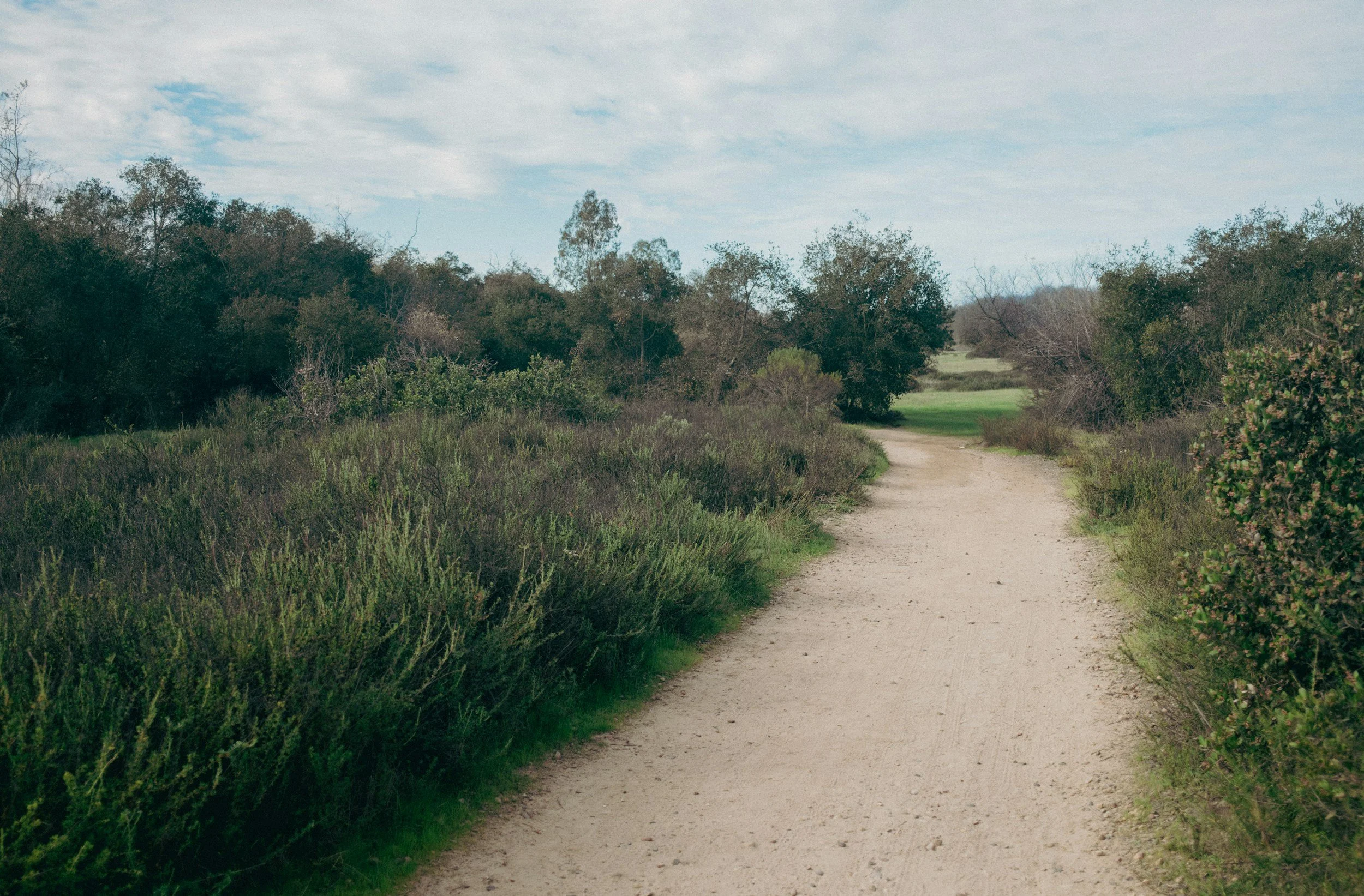
Located just 30 minutes north of downtown San Diego and right in AEPT's backyard, Los Peñasquitos Canyon Preserve is arguably the best all-around running trail in the city. The main trail is wide, well-maintained, and mostly flat, making it accessible to runners of all levels. Hidden single-track offshoots reward more experienced runners who want to explore.
The trail runs east to west along Los Peñasquitos Creek through native canyon landscape — riparian corridors, grassland mesas, and seasonal wildflowers. Midway through the preserve, a small waterfall cascades over volcanic rock. Trail conditions can vary seasonally; always check with park rangers (858-538-8066) before heading out after heavy rain.
Why we love it for rehab runners: The flat, forgiving dirt surface is ideal for runners returning from stress fractures, tendinopathy, or post-surgical rehab who need to rebuild mileage without pounding pavement.
PT Tip: The canyon is shared with mountain bikers and horseback riders. Stay aware and give way — and use the varied terrain as a proprioception (balance and body awareness) challenge by running on the narrower side trails.
Tecolote Canyon Natural Park:
Difficulty: Easy to Moderate | Distance: 6+ miles of trails | Elevation Gain: Moderate
Tecolote is a quieter, less-trafficked alternative to Los Peñasquitos and connects to paths along Tecolote Shores for runners who want to link canyon and coastal terrain in a single outing. Its mix of soft dirt and packed gravel makes for comfortable footing, and the tree cover offers rare shade on hot San Diego days.
Elevation Runs: For the Serious Hill Seeker
Cowles Mountain — Mission Trails Regional Park:
Difficulty: Moderate to Hard | Distance: 3 miles to summit | Elevation Gain: ~950 ft
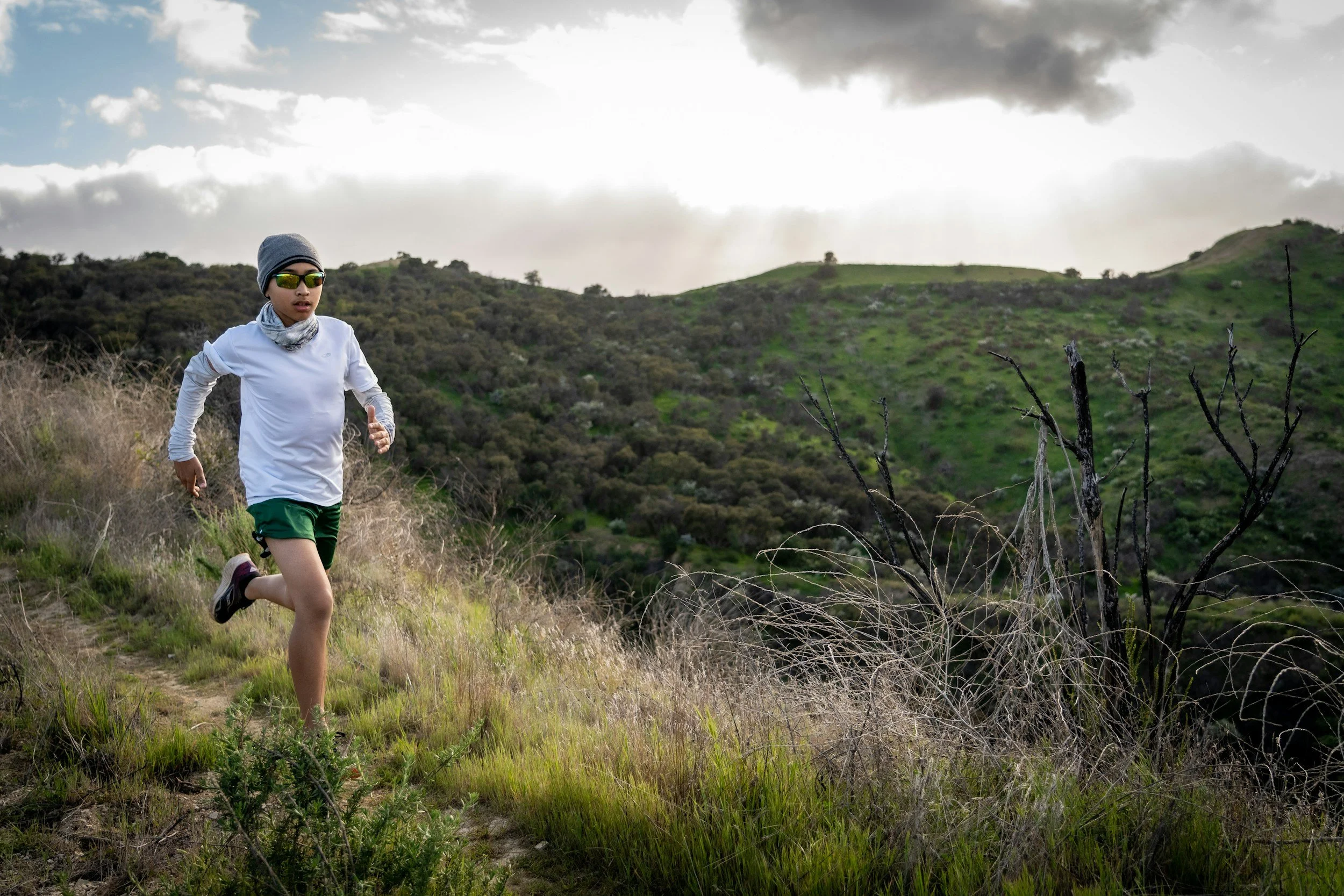
Cowles Mountain is the highest point within the city limits of San Diego at 1,593 feet, and it shows. The trail to the summit is steep, rocky toward the top, and relentlessly exposed. The 360-degree views from the peak — downtown, Mexico, North County, the Laguna Mountains on a clear day — make every burning quad worth it.
Mission Trails Regional Park also offers over 30 miles of additional trail, ranging from the easy Grassland Loop to technical single-track, making it a full training destination in its own right.
PT Tip: Cowles Mountain is where we see the most IT band syndrome cases among San Diego runners. The repetitive lateral force of running downhill on a narrow, cambered trail overloads the distal ITB. Glute strengthening — particularly hip abductors — is the most evidence-based prevention strategy. If you're already feeling lateral knee tightness, read our shin splints and running injury guide →.
Balboa Park Trail System:
Difficulty: Easy to Moderate | Distance: Up to 65 miles of routes | Elevation: Varies
Bigger than New York's Central Park, Balboa Park's trail system is a hidden gem for urban runners. Paved paths, soft-surface dirt trails, and the iconic Morley Field loop create a rare combination of accessibility and variety. Ideal for tempo runs or long weekend efforts where you want easy access to restrooms, water, and post-run coffee.
The Injury Reality of Trail Running
Before we get into prevention strategies, here's the honest truth about trail running and injury risk. According to research published in the Journal of Science and Medicine in Sport, over 70% of trail running injuries are due to overuse — not accidents. And the most common acute injury is the ankle sprain, while the most chronic and severe injuries tend to be lower back pain and Achilles tendinopathy.
The three main injury mechanisms in trail runners are:
Inadequate neuromuscular control — the ability of your muscles, tendons, and nervous system to respond quickly to uneven terrain
Running through fatigue — when your stabilizers are tired, your form breaks down and impact forces spike
Rapid training load increases — jumping mileage or elevation gain too quickly before your tissues have adapted
The good news: all three are highly addressable with the right preparation.
How to Stay Injury-Free on San Diego's Trails
1. Build Ankle Stability Before You Need It
Ankle sprains are the most common acute injury in trail running — and a previous ankle sprain dramatically increases your risk of spraining it again. The reason isn't weakness; it's a loss of proprioception, your body's ability to sense position and react to sudden terrain changes.
Single-leg balance drills, lateral band walks, and controlled single-leg calf raises on a balance disc are three exercises we regularly prescribe at Athletic Edge PT to rebuild the neuromuscular control that protects the ankle on unpredictable surfaces.
If you've had a sprain that "never quite healed right," a running injury assessment can identify the deficit before it causes another one.
2. Strengthen Your Glutes — Seriously
Nearly every common running injury — IT band syndrome, patellofemoral pain, plantar fasciitis, hip flexor strain — has a gluteal weakness component. The glutes are your primary shock absorbers on descents and your main stabilizers through the single-leg stance phase of every stride.
A study from the Journal of Orthopaedic & Sports Physical Therapy found that runners with weaker hip abductors were significantly more likely to develop IT band syndrome. For trail runners, who spend far more time in lateral stabilization on uneven terrain, this relationship is even stronger.
Prioritize: single-leg squats, lateral band walks, hip thrusts, and step-ups with a slow eccentric (lowering) phase.
3. Respect the 10% Rule (And Then Some)
One of the most significant factors in running injuries is excessive mileage increase. As a general principle, avoid increasing your weekly mileage by more than 10% per week — and when adding trail mileage for the first time, treat elevation gain as its own load variable.
A useful metric to track is the Acute to Chronic Workload Ratio (ACWR) — the relationship between your recent training load and your longer-term fitness base. We wrote a full explainer on how San Diego athletes use it here: ACWR: A Smarter Way to Prevent Overuse Injuries →
4. Get the Right Footwear for the Trail Type
Road flats are designed for consistent, predictable surfaces. Trail shoes are designed for everything else. For San Diego's canyon and reserve trails, look for:
Moderate lug depth (3–5mm) — deep lugs are for mud; most SD trails are dry packed dirt
Rock plate — especially for Cowles Mountain and Torrey Pines rocky sections
Low heel-to-toe drop if you're working toward a more midfoot strike pattern
Our running specialists can assess your foot mechanics and gait as part of a full running injury evaluation to match footwear recommendations to your specific biomechanics.
5. Don't Neglect Foot Mobility
San Diego runners often overlook the feet themselves. Years of cushioned shoes can create rigid, immobile feet that struggle to adapt to uneven trail surfaces — contributing to plantar fasciitis, stress fractures, and even knee pain up the chain.
We recently published a full guide on foot health for runners: Why San Diego Runners Need to Unlock Their Feet →
6. Watch the Descent
Downhill running is where most acute trail injuries occur. The eccentric load on the quadriceps is two to three times greater on a descent than on flat ground, and impact forces spike as fatigue sets in.
Practical strategies: shorten your stride on descent, keep a slight forward lean (don't lean back), and use your arms for balance on technical terrain. If your quads start burning heavily on a downhill, slow down — that's neuromuscular fatigue telling you that your form is about to break down.
7. Know When to See a PT
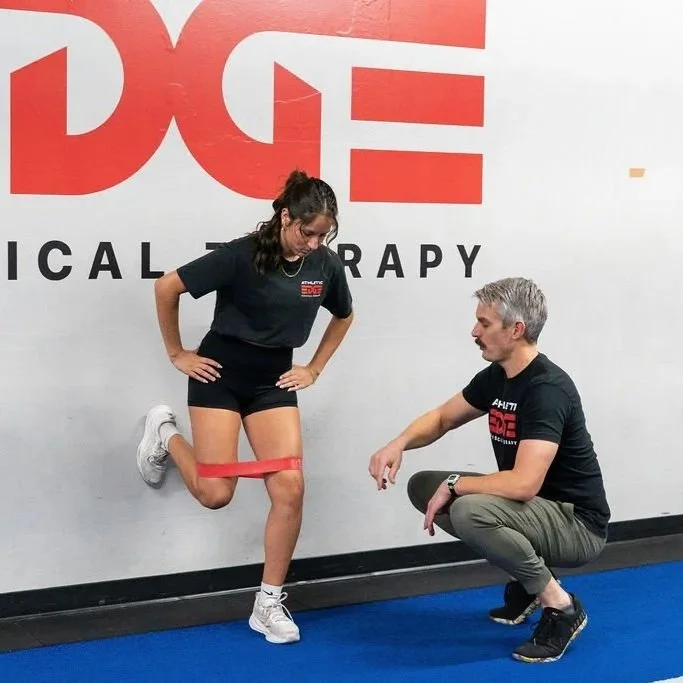
There's a difference between normal training soreness and early injury. Flags that warrant a visit before the problem becomes serious:
Pain that persists more than 72 hours after a run
Pain that changes your gait — limping, shortened stride, or favoring one side
Sharp or pinching pain (as opposed to dull achiness)
Any swelling, especially around a joint
Recurring pain at the same spot run after run
If you're in the Sorrento Valley / Mira Mesa area, we offer a free 15-minute discovery call to assess whether physical therapy is the right next step. Book a free discovery call →
FAQ
-
Los Peñasquitos Canyon Preserve and the Mission Bay Path are our top picks for beginner runners. Both offer flat, well-maintained surfaces with plenty of distance options and minimal technical terrain.
-
Cowles Mountain in Mission Trails Regional Park offers the most demanding elevation gain within city limits. For more advanced trail runners, the North and South Fortuna peaks loop in the same park is a serious workout.
-
For canyon and reserve trails (Los Peñasquitos, Torrey Pines, Cowles Mountain), trail shoes with a moderate lug and rock plate are recommended. For Mission Bay or Balboa Park's paved paths, road shoes are fine.
-
Single-leg balance training, ankle strengthening exercises, and proprioception drills significantly reduce ankle sprain risk. If you've had a previous sprain, a physical therapy assessment to restore neuromuscular control is the most evidence-backed prevention strategy.
-
Any pain that changes your gait, persists beyond 72 hours, involves swelling, or recurs at the same location run after run warrants a PT evaluation. In California, you do not need a physician's referral to see a physical therapist — you can book directly.
Sources
AllTrails.com — Los Peñasquitos Canyon Trail: https://www.alltrails.com/trail/us/california/los-penasquitos-canyon-trail
AllTrails.com — Trail Running in San Diego: https://www.alltrails.com/us/california/san-diego/trail-running
Great Runs — Torrey Pines Running Guide: https://greatruns.com/san-diego-torrey-pines/
Bahia Resort Hotel — Best Running Trails in San Diego: https://www.bahiahotel.com/blog/article/best-running-trails-san-diego
PMC/PubMed — "Injury Prevention, Safe Training Techniques, Rehabilitation, and Return to Sport in Trail Runners" (2022): https://pmc.ncbi.nlm.nih.gov/articles/PMC8811510/
Outside Run — "How to Bulletproof Your Legs Against the Most Common Running Overuse Injuries": https://run.outsideonline.com/training/injuries-and-prevention/how-to-bulletproof-your-legs-against-the-most-common-running-overuse-injuries/
The Simple Hiker — Torrey Pines Trail Guide: https://thesimplehiker.com/hiking-torrey-pines-reserve/
The Simple Hiker — Los Peñasquitos Canyon Trail Guide: https://thesimplehiker.com/hiking-los-penasquitos-canyon-preserve-trail-guide/